

A mug explainer is a focused creative concept that unpacks the design features, materials, and personal significance of a mug, going well beyond its function as a vessel for hot drinks. Think of it as a design brief brought to life: a structured way of communicating what makes a particular mug distinctive, whether that is its shape, its printed motif, or the story it tells about its owner. For anyone curious about clever mug design or the art of personalised gifting, understanding this concept opens up a richer appreciation of mugs as expressive objects. Mugnificentdeals, for instance, builds every product around exactly this idea: each mug carries a visual language worth explaining.
What is a mug: essential features and design characteristics
A mug is defined as a drinking vessel typically holding between 250 and 350 ml, with a single vertical handle and thicker walls designed for better thermal insulation. That capacity range, roughly 8 to 16 ounces depending on the design, is what separates a mug from a teacup or espresso cup. The handle is not decorative. It exists to keep your hand away from a surface that can reach temperatures uncomfortable to hold directly.
Materials vary considerably, and each choice affects both function and design potential:
- Ceramic and porcelain: The most common choices for printed and personalised mugs. Firing temperature directly affects durability: earthenware fired at 900 to 1,150°C remains porous, while stoneware fired at 1,200 to 1,300°C becomes vitrified and chip resistant. Stoneware is the preferred base for high-quality custom printing.
- Stainless steel: Durable and travel-friendly, though it limits decoration options compared to ceramic.
- Glass: Visually striking but offers poor thermal retention without a double-wall construction.
- Porcelain: Smooth, dense, and ideal for fine detail in printed artwork.
| Material | Firing temp / construction | Best for |
|---|---|---|
| Earthenware ceramic | 900–1,150°C | Casual, everyday mugs |
| Stoneware ceramic | 1,200–1,300°C | Durable, custom-printed mugs |
| Stainless steel | N/A (formed) | Travel mugs, outdoor use |
| Borosilicate glass | N/A (blown/moulded) | Display, double-wall designs |
Heat loss in mugs occurs via convection at the open surface and conduction through the walls. This means the material you choose is not just an aesthetic decision. It directly determines how long your drink stays warm and how well the mug survives daily use.
Pro Tip: Preheat your mug by filling it with hot water for one to two minutes before adding your coffee. This simple step reduces initial heat loss and extends the enjoyable temperature of your drink noticeably.
How mug explainers illustrate unique design elements
A mug explainer, in the broadest sense, is any format or approach that communicates the creative and functional story behind a mug's design. The industry term most closely aligned with this concept is a product design narrative, but "mug explainer" captures the specific, audience-facing version of that idea. It answers the question: what is this mug actually saying, and why does it look the way it does?
Effective mug explainers focus on several interconnected design layers:
- Shape and silhouette: A tapered base, a wide rim, or a barrel form each create a different visual personality before any decoration is applied.
- Surface decoration: Methods include sublimation printing, screen printing, hand-painted decals, and laser engraving. Each technique produces a different texture and level of detail.
- Thematic motifs: Music-themed mugs, for example, use instrument line drawings or notation symbols to communicate identity. A mug featuring a detailed violin sketch tells a story about its owner without a single word.
- Typography and humour: Phrases like "I improvise, not mistakes" work because they speak directly to a musician's lived experience. The text is the explainer.
- Minimalism versus maximalism: A minimalist mug design uses negative space deliberately, letting a single motif carry the full emotional weight of the piece.
The role of creativity in mug design is not decorative afterthought. It is the primary mechanism through which a mug becomes a collectible, a gift, or a personal statement rather than a commodity.
Pro Tip: When creating a mug explainer for a personalised design, lead with the emotional story first. Ask: who is this mug for, and what does it say about them? The visual choices should answer that question, not the other way around.

How do mugs differ from cups and other drinkware?
The distinction between a mug and a cup is more than physical. Language corpus analysis of 650 million words found that "cup of tea" is 15 times more frequent than "mug of tea" in English usage. This reflects a genuine social distinction: cups carry formal, tabletop connotations, while mugs belong to the informal, mobile, everyday register of life.
Physically, mugs have thicker walls and handles designed to keep hands from burning, whereas cups tend to be thinner and more formal in construction. Cups may be made from plastic or acrylic with minimal insulation, suited to cold drinks or brief hot-drink consumption. Mugs are built for lingering.
| Feature | Mug | Cup | Travel mug |
|---|---|---|---|
| Capacity | 250–350 ml+ | 150–250 ml | 350–600 ml |
| Handle | Single, vertical | Small or absent | Lid-integrated or none |
| Wall thickness | Thick | Thin | Double-wall or vacuum |
| Social context | Informal, everyday | Formal or café | On-the-go |
| Design potential | High (printable surface) | Moderate | Limited |
Separate words for "cup" and "mug" exist across many languages precisely because of these functional differences: cups are for stable tabletop use, mugs for more mobile, everyday situations. Tankards and travel mugs extend this further into specific cultural and practical niches. A tankard signals tradition and volume; a travel mug signals practicality and pace. Each vessel carries its own social grammar, and a good mug explainer acknowledges that grammar as part of the design story.
What are the benefits of mug explainers in gift culture?
Mug explainers matter most in the context of personalised gifting, where the difference between a thoughtful present and a forgettable one often comes down to whether the recipient understands what makes the object special. A well-constructed mug explainer communicates that understanding before the gift is even unwrapped.
The benefits of mug explainers in creative and gift culture are concrete:
- They increase perceived value. A mug described only as "ceramic, 350 ml" reads as a commodity. The same mug described as "stoneware-fired, featuring a hand-drawn violin motif and a personalised name" reads as a considered gift.
- They support creative marketing. Brands like Mugnificentdeals use design narratives to distinguish products in a crowded market, turning a product page into a small story about identity and humour.
- They guide gift selection. For buyers who are not designers themselves, a mug explainer provides the vocabulary to choose confidently. Knowing that a music-themed mug uses sublimation printing for colour durability, or that a black-and-white instrument drawing is intentionally minimalist, makes the purchase feel informed rather than arbitrary.
- They deepen appreciation. Recipients who understand the design choices behind a gift engage with it differently. A mug becomes a daily reminder of someone's attention to detail.
The history of personalised mugs shows that this category has evolved from simple name-printing to genuinely artistic, niche-specific objects. Music lovers, in particular, respond strongly to mugs that speak their language, because the design signals belonging rather than generic sentiment.
Pro Tip: When selecting a personalised mug as a gift, look for designs where the decoration and the recipient's identity overlap specifically. A drummer's mug should reference drumming, not music in general. Specificity is what transforms a nice object into a meaningful one.
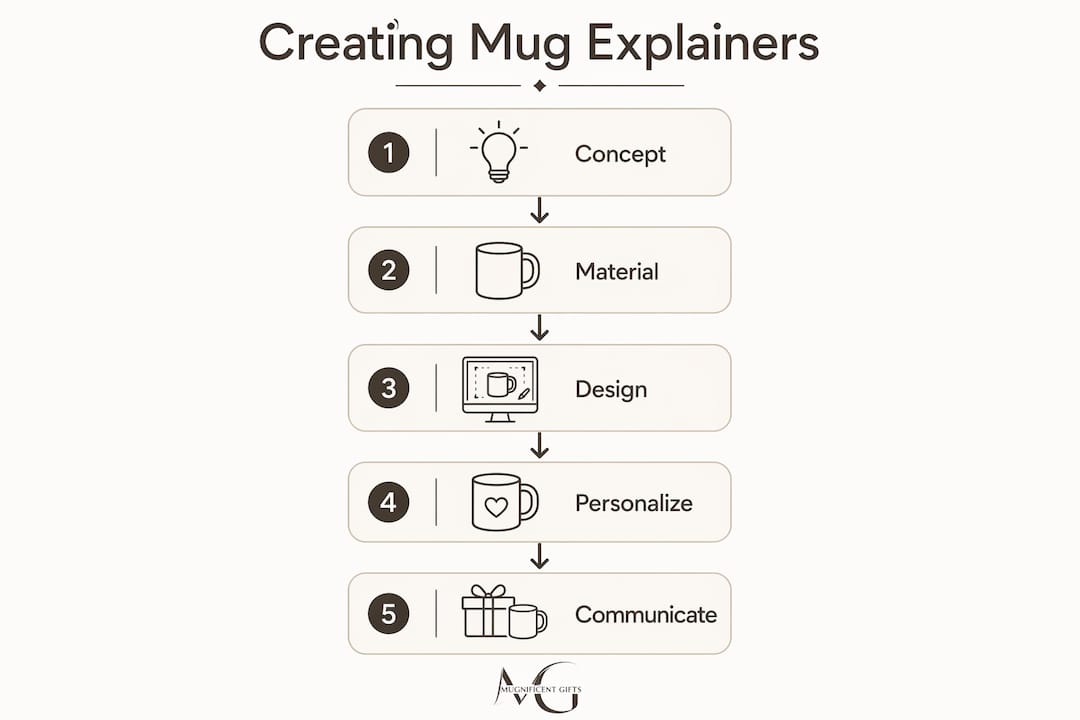
Creating a mug explainer: practical steps and design advice
Designing an effective mug explainer follows a clear process, whether you are a creative professional or an enthusiastic amateur.
- Define the subject. Identify the mug's core identity: is it a travel mug, a ceramic collector's piece, or a personalised gift? The explainer's tone and depth depend on this starting point.
- Choose your design elements deliberately. Select material, shape, and decoration method based on the story you want to tell. Stoneware ceramic suits detailed artwork; vacuum-insulated mugs suit practicality-focused narratives. Note that vacuum-insulated double-wall mugs block heat transfer from mug warmers entirely, which is worth mentioning in any explainer targeting coffee enthusiasts.
- Build the thematic narrative. For a music-themed mug, this means connecting the instrument motif to the musician's identity. For a humour-led design, it means explaining the joke's context and why it resonates with the audience.
- Select your format. A mug explainer can be a written product description, a short video, an illustrated card included with a gift, or a social media post. Each format suits a different audience and context.
- Address durability and care. Any honest explainer should note whether the decoration is dishwasher-safe, whether the print is sublimated into the glaze or applied on top, and how the mug performs with daily use.
- Test the story. Share your explainer with someone unfamiliar with the design. If they can describe the mug's character and purpose after reading it, the explainer works.
Digital formats, such as short-form video or annotated photography, are particularly effective for mug explainers because they allow close-up detail that static text cannot convey. Physical formats, like a gift card with a brief design note, add a tactile dimension that reinforces the mug's value as an object worth keeping.
Key takeaways
A mug explainer is the most effective tool for communicating the creative, material, and personal significance of a mug, transforming it from a functional object into a meaningful gift or collectible.
| Point | Details |
|---|---|
| Mug explainer definition | A structured creative concept that communicates a mug's design story, materials, and personal significance. |
| Material choice matters | Stoneware ceramic, fired at 1,200 to 1,300°C, offers the best surface for durable custom printing. |
| Mugs vs cups | Mugs are informal, thick-walled, and handle-equipped; cups are thinner, more formal, and less suited to personalisation. |
| Gift culture benefit | A well-constructed explainer increases perceived value and guides buyers toward more meaningful, specific choices. |
| Creating one effectively | Lead with the emotional story, choose design elements deliberately, and test the narrative with an unfamiliar reader. |
Why mug explainers deserve more creative attention
I have spent a good deal of time thinking about why some personalised mugs feel genuinely special and others feel like afterthoughts. The answer, almost every time, comes back to whether someone took the trouble to explain the design. Not in a laboured, over-written way, but in the way a thoughtful friend might say: "I chose this because it reminded me of you."
The trend towards niche, identity-led mugs, particularly in music communities, is not accidental. Musicians are accustomed to the idea that objects carry meaning. An instrument is never just a tool; it is an extension of personality. A mug that reflects that sensibility, through a carefully drawn violin or a wry phrase about improvisation, earns a place on the desk rather than the back of the cupboard.
The challenge I see most often is that designers invest heavily in the visual and then say almost nothing about it. The explainer is an afterthought, a generic product description that could apply to any mug. That is a missed opportunity. The design and the story around it should be developed together, because the story is part of what the recipient receives.
Mugs are one of the few everyday objects that sit at the intersection of art, function, and personal expression. Treating them that way, and communicating that treatment clearly, is what separates a memorable gift from a forgettable one.
— Lasse
Discover personalised music mugs at Mugnificentdeals
If this article has sparked an appreciation for what a thoughtfully designed mug can communicate, Mugnificentdeals offers a collection that puts these ideas into practice.
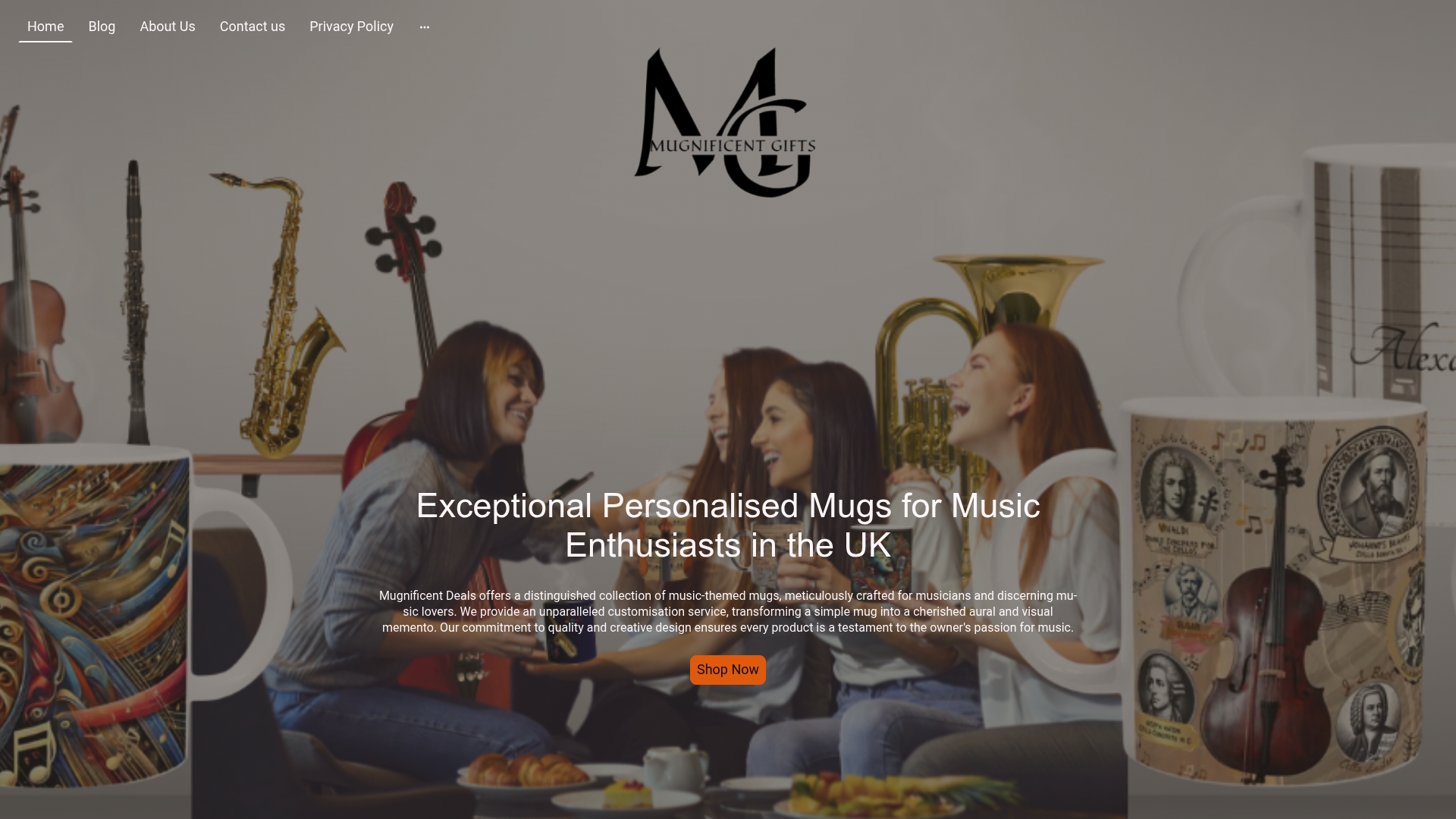
From black-and-white instrument drawings to personalised names and musician-specific humour, every design in the personalised music mugs collection is built around a clear creative story. If you are looking for a gift that speaks directly to a musician's identity, the best personalised music mugs for gifts range offers curated options that feel considered rather than generic. Browse the full collection at Mugnificentdeals and find a design worth explaining.
FAQ
What is a mug explainer definition in simple terms?
A mug explainer is a creative concept or format that communicates the design story, materials, and personal significance behind a mug. It transforms a functional object into a meaningful, describable piece of art or gift.
How do you use a mug explainer for personalised gifts?
Use a mug explainer to describe the design choices behind a personalised mug, such as the motif, material, and theme, so the recipient understands the thought and intention behind the gift.
What are the benefits of mug explainers for designers?
Mug explainers increase perceived product value, support creative marketing, and help buyers make more informed, specific choices. They are particularly effective for niche designs such as music-themed or instrument-specific mugs.
What materials are best for creating a mug explainer?
Stoneware ceramic is the preferred material for custom-printed mugs because higher firing temperatures produce a vitrified, non-porous surface that holds printed detail well and resists chipping.
How does a mug differ from a cup in design terms?
A mug holds 250 to 350 ml or more, has thick walls and a single vertical handle, and is designed for informal everyday use. A cup is typically thinner, smaller, and associated with more formal or café settings.