

A mug is defined as a ritual object before it is a vessel, shaping morning identity, emotional wellbeing, and personal expression through repeated daily use. Behavioural research confirms that coffee mugs rank high in emotional attachment among everyday objects, a phenomenon psychologists attribute to the endowment effect: we value things more once we own and use them consistently. The role of mugs in daily rituals extends far beyond holding a hot drink. Each morning, reaching for a particular mug is a small but deliberate act of self-definition. For musicians, creatives, and anyone who finds meaning in the objects they surround themselves with, that act carries genuine psychological weight.
How do mugs support mindfulness and emotional wellbeing in daily routines?
Mugs function as tactile anchors in a world that rarely slows down. Their weight in your hands, the warmth radiating through ceramic walls, and the familiar grip of a well-worn handle all send grounding signals to the nervous system before a single sip is taken.
The concept of the "fidget mug" makes this explicit. Nicole Is Nicole Ceramics developed The Calm Mug specifically to aid stress reduction, and over 1,000 units sold as of April 2026 demonstrate genuine consumer appetite for mugs designed around presence rather than just function. The product features deliberate tactile ridges that give restless hands something to engage with during moments of anxiety or mental overload. This is ceremonial mug usage taken seriously.
Repetition deepens the effect. Routine use of the same mug creates neural pathways that automate a relaxed morning mood, reducing decision fatigue and providing psychological stability before the day's demands begin. The mug becomes a cognitive shortcut: reach for it, and the brain begins to settle.
Key ways mugs support mindfulness in daily routines include:
- Tactile grounding: The weight, texture, and temperature of a mug engage the senses and draw attention to the present moment.
- Ritual repetition: Using the same mug daily reinforces a calming habit loop that the brain learns to anticipate.
- Slow living alignment: High-quality ceramic mugs are integral to the slow living movement, offering a sensory experience that counters digital overstimulation.
- Reduced anxiety: Holding a warm mug has been shown to produce feelings of interpersonal warmth and emotional safety.
Pro Tip: If you notice your morning feels rushed or unsettled, try holding your mug with both hands for thirty seconds before drinking. This brief pause activates the parasympathetic nervous system and resets your mental state before the day begins.
What emotional and identity roles do mugs play in personal rituals?
Signature mugs emerge through what researchers describe as "consistent occupation." Habitual use embeds mugs into personal territory over time, creating an implicit sense of ownership that extends beyond the physical object. In shared households, everyone knows whose mug is whose. That quiet assertion of identity is part of what makes the daily coffee ritual feel personal rather than routine.
"A mug collection is not clutter. It is a chorus of memories marking life's milestones: family, career, travel, and the people who shaped you along the way." — Observer Today, 2026
Mug collections function as physical timelines. Each piece represents a chapter: the novelty mug from a first job, the handmade ceramic from a holiday in Portugal, the personalised gift from a bandmate. Lifestyle commentary in 2026 highlights mugs as tangible, daily-accessible archives of identity and memory. Unlike photographs stored on a phone, a mug sits on your shelf and enters your hands every morning.
The emotional roles mugs play in personal rituals include several distinct dimensions:
- Sentimental anchoring: Chipped or faded mugs are often kept for emotional value despite being impractical, serving as artefacts of specific life moments.
- Non-verbal communication: The mug you choose on a given morning communicates mood and personality without a word spoken.
- Continuity and comfort: Reaching for the same mug each day provides a sense of continuity that is especially stabilising during periods of change or stress.
- Identity expression: Mugs featuring instruments, inside jokes, or personal names signal belonging to a community or subculture.
Understanding the significance of personalised mugs as memory keepers reveals why so many people feel genuine distress when a favourite mug breaks. It is not the object itself but the accumulated meaning attached to it.
How do different mug features impact the daily drinking experience?
The physical design of a mug shapes the ritual quality of every drink it holds. Shape, material, rim thickness, and handle ergonomics each influence aroma, taste perception, and tactile comfort in measurable ways.
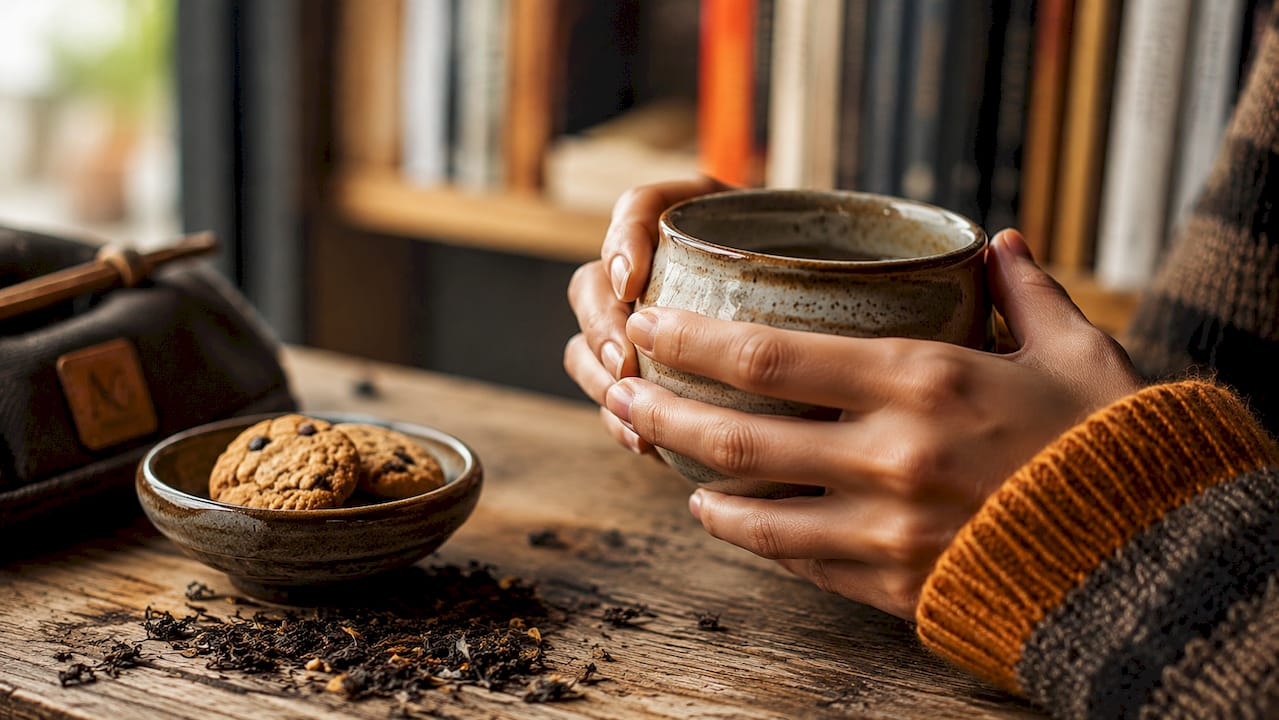
Ceramics industry leaders in 2026 emphasise that tactile experience is now a primary consideration in ritual mug design, not an afterthought. A mug with a wide, open rim concentrates aroma differently than a narrow-mouthed vessel, which is why specialty coffee drinkers often prefer tulip-shaped ceramics. Weight distribution matters too: a mug that feels balanced when full encourages slower, more deliberate drinking.
| Feature | Effect on ritual quality |
|---|---|
| Wide rim | Releases aroma more freely, enhancing flavour perception |
| Heavy base | Creates a grounded, substantial feel that slows the drinking pace |
| Textured surface | Provides tactile engagement, supporting mindful presence |
| Thin rim | Delivers a cleaner, more refined drinking sensation |
| Ergonomic handle | Reduces hand fatigue and improves comfort during longer rituals |
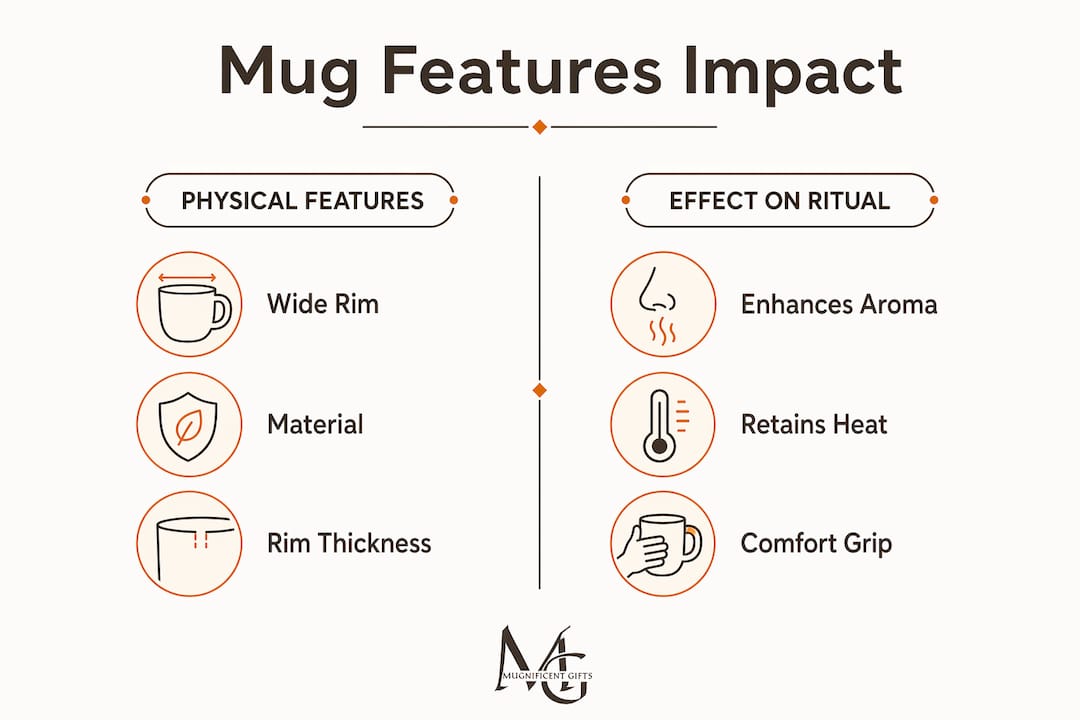
The material question is equally significant. Ceramic mugs retain heat well and develop a pleasing patina with use. Enamel mugs carry a nostalgic, outdoorsy quality that suits a different kind of ritual. Novelty mugs, often made from lower-grade materials, prioritise visual personality over tactile comfort. None of these is objectively superior. The right choice depends entirely on what the ritual demands.
Consumer behaviour trends from May 2026 reveal the "mug gap": most people use only 2 to 3 mugs daily from collections of ten to fifteen or more. This gap reflects the distinction between emotional and functional roles. Many mugs are kept for sentiment; few are trusted with the daily ritual. Understanding which mugs belong in which category helps you explore mug design with greater intention.
Pro Tip: If you want to test whether a mug is genuinely ritual-worthy, use it exclusively for one week. Pay attention to how it feels in your hands when full, whether the handle causes any strain, and how the rim meets your lips. Your body will tell you whether it belongs in your daily rotation.
How can you cultivate a meaningful mug ritual tailored to your lifestyle?
Building a mug ritual that genuinely enhances your day is less about acquiring the perfect object and more about developing conscious habits around the objects you already have. The single cup ritual effect demonstrates that disrupting your usual vessel resets routines and increases mindful engagement, which means even a deliberate change can sharpen your awareness of what the ritual provides.
Here is a practical framework for cultivating a meaningful mug ritual:
-
Choose a signature mug through consistent use. Resist the urge to rotate randomly. Commit to one mug for your primary daily drink for at least two weeks. Familiarity builds attachment, and attachment deepens the ritual.
-
Align sensory preferences with your mug choice. Consider weight, texture, and colour. A heavy stoneware mug suits a slow, contemplative morning. A lighter porcelain piece suits a brisk, focused start. Colour psychology is real: warm earth tones tend to feel grounding, while bright colours can energise.
-
Use mugs to mark different times of day. A large ceramic mug for morning coffee, a smaller vessel for an afternoon tea ritual, and a novelty or personalised mug for evening wind-down. This segmentation trains the brain to associate each mug with a particular mental state.
-
Introduce intentional variety with seasonal or mood-specific mugs. A mug featuring a favourite instrument or a clever musical pun can shift your mood before the kettle has even boiled. Mugnificentdeals designs mugs around exactly this principle: the right image or phrase at the right moment is a small but genuine lift.
-
Treat mug care as part of the ritual. Washing your favourite mug by hand rather than loading it into the dishwasher is a small act of attention that reinforces its significance. Placement matters too. Keeping your signature mug visible and accessible signals to your brain that the ritual is ready and waiting.
Understanding what makes a mug meaningful is the foundation for building a ritual that actually sticks. The goal is not a perfect morning routine but a reliable, sensory moment that belongs entirely to you.
Key takeaways
Mugs function as emotional and functional anchors in daily rituals, shaping identity, reducing stress, and deepening mindfulness through consistent, intentional use.
| Point | Details |
|---|---|
| Mugs as ritual anchors | Daily use of the same mug creates neural pathways that automate calm and reduce decision fatigue. |
| Emotional identity roles | Signature mugs develop through habitual use, becoming extensions of personal identity and memory. |
| Design affects ritual quality | Features like rim width, weight, and surface texture directly influence aroma, comfort, and mindful presence. |
| The mug gap | Most people use only 2 to 3 mugs daily despite owning far more, reflecting the gap between sentimental and functional value. |
| Cultivating your ritual | Choosing a signature mug, aligning sensory preferences, and caring for your mug intentionally all deepen the ritual experience. |
Why I think we underestimate what a mug actually does
Most people would describe their favourite mug as "just a mug." I think that framing misses something genuinely interesting about how small objects shape psychological wellbeing.
Over years of observing how people interact with everyday objects, one pattern stands out: the mug is almost always the first thing a person reaches for in the morning, before a phone, before a conversation, before a decision. That sequence is not accidental. It reflects a deep, largely unconscious need for a grounding object before the day's complexity arrives.
What strikes me most is how personalised mugs accelerate this process. A mug that features your instrument, your name, or a joke that only your musical community would understand does not just hold coffee. It tells you who you are before the world has had a chance to tell you what it needs from you. That is a quiet but meaningful form of psychological protection.
The cultural narratives mugs carry are worth taking seriously too. A mug from a first gig, a gift from a fellow musician, a piece you bought on a whim that turned out to feel exactly right: these objects accumulate meaning in ways that most possessions simply do not. They are handled daily, warmed by your hands, and present at your most private moments.
My encouragement to you is this: pay attention to which mug you reach for and why. That small act of noticing is the beginning of a more intentional relationship with your own daily rituals.
— Lasse
Make your daily ritual uniquely yours with Mugnificentdeals

Mugnificentdeals designs personalised music mugs that turn an ordinary morning moment into a small expression of who you are. Whether you play violin, drums, or simply love music with your whole heart, each mug is crafted to feel sketched and personal rather than mass-produced. From instrument illustrations to clever musical humour, the designs speak directly to musicians and music lovers who want their daily ritual to reflect their identity. Explore the full range of personalised music mugs to find the one that belongs in your morning, or browse the best personalised music mugs for gifts when you want to give someone a ritual worth keeping.
FAQ
What is the role of mugs in daily rituals?
Mugs serve as ritual anchors that combine tactile comfort, emotional identity, and habitual repetition to create grounding moments in daily life. Behavioural research confirms that consistent use of the same mug forms neural pathways that automate calm and reduce morning stress.
How do mugs support mindfulness?
The weight, warmth, and texture of a mug engage the senses and draw attention to the present moment, supporting mindful presence during slow living rituals. Specialised designs such as tactile fidget mugs take this further by giving restless hands a grounding focus during periods of anxiety.
Why do people develop emotional attachments to specific mugs?
Signature mugs develop through consistent use and implicit ownership, becoming psychological extensions of personal identity over time. Sentimental mugs are often kept even when chipped or faded because they function as artefacts of specific memories and life chapters.
What is the mug gap?
The mug gap describes the pattern where people own collections of ten to fifteen or more mugs but rely on only two to three for daily use. The remaining mugs are kept primarily for sentimental reasons rather than functional ones.
Does the material of a mug affect the ritual experience?
Ceramic mugs retain heat well and develop a pleasing patina with use, making them well-suited to slow, contemplative rituals. Enamel and novelty mugs serve different ritual functions, with material choice ultimately depending on the sensory and emotional qualities the ritual demands.