
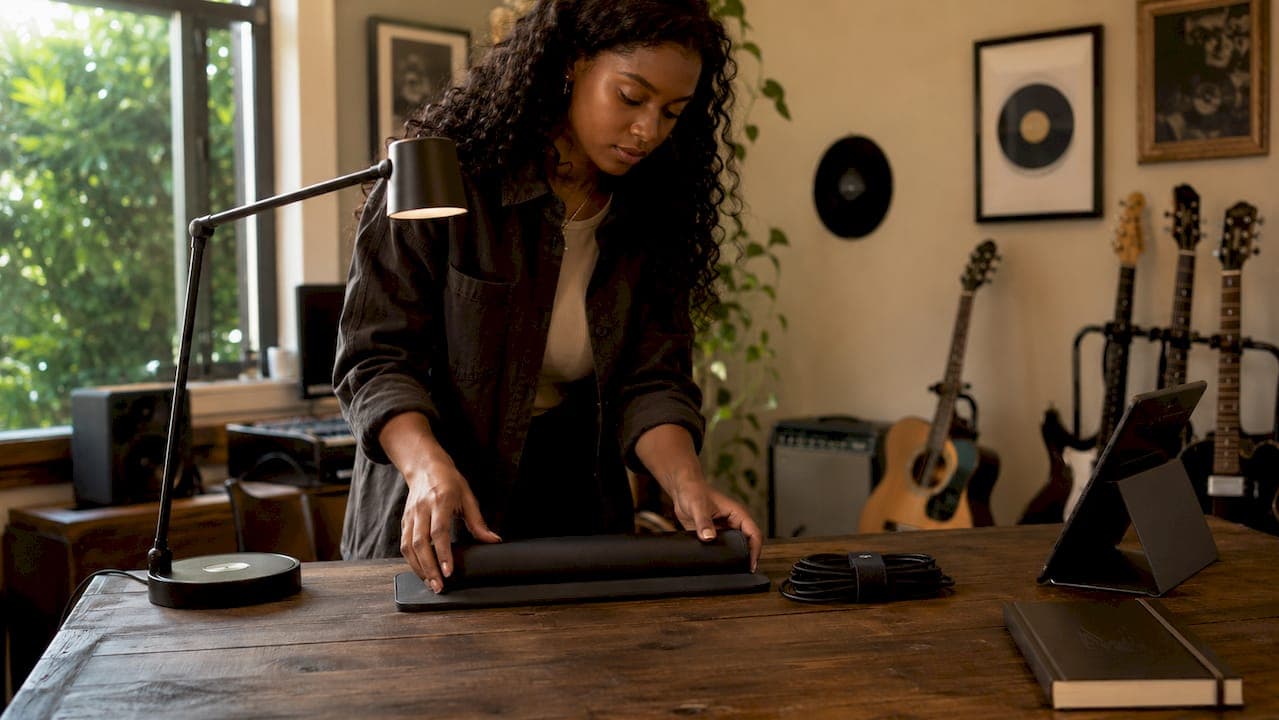
Gifting well-chosen music room accessories is one of the most effective ways to boost a musician's creativity, comfort, and daily workflow. The best gifts for musicians fall into three clear categories: ergonomic, decorative, and functional. Each category serves a distinct purpose in the music room, and understanding which one fits your recipient makes the difference between a gift that gets used daily and one that gathers dust. The ways to gift music room accessories covered here apply whether you are buying for a bedroom guitarist, a home studio producer, or a classically trained violinist.
What should you consider before choosing music room accessories as gifts?
The most common gifting mistake is choosing accessories based on what looks musical rather than what the musician actually needs. Before you buy anything, spend a moment thinking about three things: the musician's primary instrument, the layout of their room, and the gaps in their current setup.
A guitarist's room has different needs from a pianist's. A producer working with digital audio workstations needs different support than a singer who records acoustic vocals. Observing the space, even from a photo or a casual visit, tells you more than any gift guide.

Budget tiers make planning straightforward. Music gift budgets naturally segment into three ranges: under £50 for small essentials such as cable organisers or decorative prints, £50–£150 for quality accessories like desk lamps or ergonomic cushions, and £150 and above for major upgrades including studio chairs or wireless monitor systems. Knowing your budget before browsing stops you from either undershooting on impact or overspending on something the musician already owns.
Consider the following before finalising your choice:
- Instrument and genre: A drummer needs different storage and comfort support than a pianist.
- Room size and layout: A small bedroom studio calls for compact, multi-purpose accessories.
- Existing decor: Gifts that clash with the room's colour scheme or aesthetic get moved to a drawer.
- Workflow gaps: Does the musician lack good lighting? Comfortable seating? Cable management?
- Occasion: Birthdays and milestones suit more personal or premium gifts; casual occasions suit practical essentials.
Pro Tip: Ask a mutual friend or family member who has visited the musician's space recently. A five-minute conversation saves you from buying a duplicate or something that simply does not fit.
Which accessories best support a musician's creative workflow?
Functional gifts are preferred over generic musical note-themed decor by the vast majority of working musicians. That preference exists because the music room is a workspace first. Accessories that improve how that space feels and functions get used every single day.
Ergonomic seating and comfort
Ergonomic comfort items have a measurable impact on creative output. Ergonomic improvements can account for up to 80% of a musician's daily efficiency. A quality studio chair, a lumbar support cushion, or even a well-placed footrest transforms long practice sessions from physically draining to genuinely productive. These gifts feel indulgent but are deeply practical.
Lighting that reduces fatigue
Layered lighting with desk lamps and indirect ambient sources prevents harsh shadows and reduces eye strain during long sessions. A warm desk lamp paired with a dimmable floor lamp gives the musician control over their environment. That control matters enormously when the creative mood needs to shift from energetic to focused. Lighting is one of the most underrated music room decor ideas that genuinely changes how a space feels.
Storage and cable management
Tangled cables and cluttered surfaces break concentration. Gifting a well-designed cable organiser, a wall-mounted instrument hook, or a tiered storage shelf addresses a pain point that most musicians tolerate but never fix for themselves. Musicians rarely upgrade essentials on their own, which makes practical accessories particularly appreciated as gifts.
Sound treatment through soft furnishings
Acoustic treatment does not require foam panels. Soft furnishings like rugs absorb 20–30% more sound reflections compared to hard surfaces. A thick rug, heavy curtains, or a bookshelf filled with books and vinyl records all improve room acoustics while looking entirely intentional. Bookshelves act as acoustic diffusers and add visual warmth at the same time. These are creative music accessories that double as decor.
Pro Tip: Gifting a rug or curtains in a neutral tone works for almost any music room. Avoid bold patterns that might clash with existing decor.
Identity-supporting apparel and personalised items
Studio culture has its own dress code. Studio-branded clothing such as hoodies and tees resonates strongly with music producers as identity-supporting gifts. The same principle applies to personalised mugs, printed tote bags, and accessories that carry the musician's name, instrument, or a phrase that speaks to their experience. These gifts say "I see you" in a way that generic gear never does.
How do you personalise music room accessories for a meaningful gift?
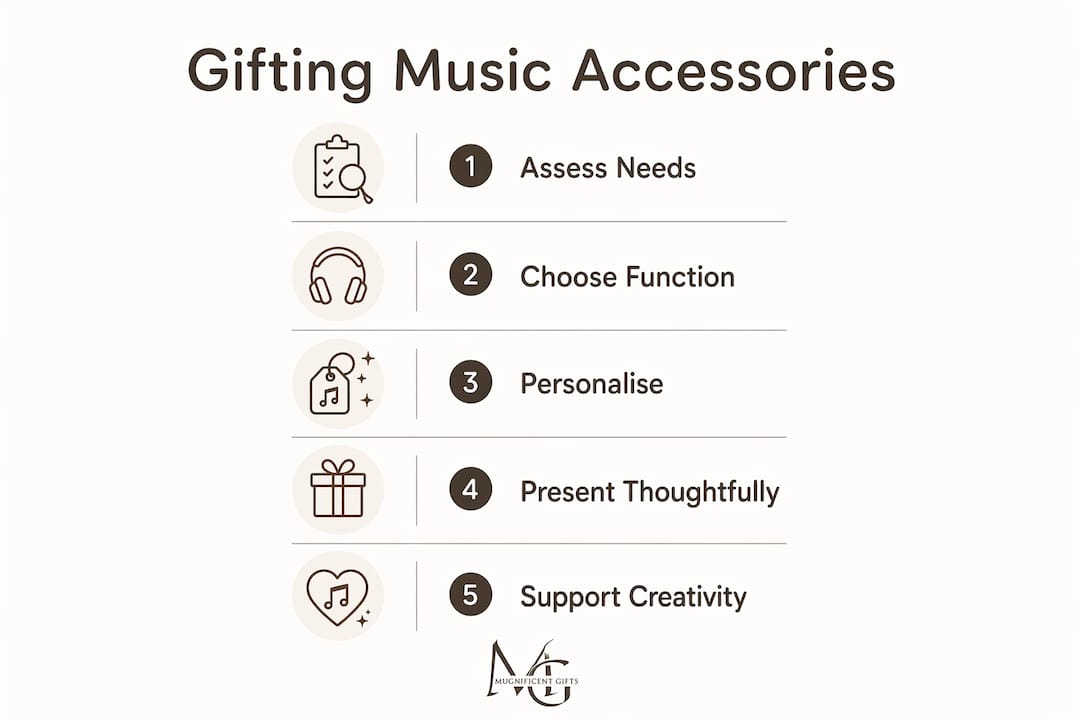
Personalisation is the single most effective way to turn a practical gift into a memorable one. The key is pairing sentiment with function rather than choosing one over the other.
Personalised music art or lyric prints paired with practical gifts tend to be deeply appreciated. A framed print of a musician's favourite chord progression, a custom illustration of their instrument, or a mug printed with an inside joke about their genre all carry emotional weight that a generic gift simply cannot. You can explore personalised music gifts that reflect instrument identity and studio personality for ready-made inspiration.
The table below compares personalised and standard accessory types to help you decide which approach suits your recipient best.
| Accessory type | Personalised version | Standard version | Best for |
|---|---|---|---|
| Mug | Name, instrument, or studio humour printed on ceramic | Plain or generic music note design | Daily use, desk presence, emotional connection |
| Wall art | Custom lyric print or instrument illustration | Stock music poster | Decor, identity expression |
| Apparel | Name or genre-specific phrase on hoodie or tee | Branded music merchandise | Studio comfort, identity |
| Storage | Engraved cable box or labelled organiser | Generic cable tidy | Workflow, tidiness |
| Lighting | Personalised lamp with custom shade or engraving | Standard desk lamp | Ambience, practicality |
When you are unsure of the musician's technical specifications, avoid gifting software or hardware. A digital subscription to a music learning platform or a gift card for a reputable music retailer gives the musician full control without the risk of incompatibility. Gifts that are flexible in use such as accessories, digital products, or practical essentials are consistently preferred over highly specific instruments or gear.
What are the best ways to present music room gifts?
Presentation shapes the first impression of any gift. For music room accessories, the wrapping and context can reinforce the thoughtfulness behind the choice.
- Theme the wrapping: Use kraft paper with hand-drawn musical notes, or wrap in sheet music paper for a tactile, on-theme touch.
- Bundle complementary items: A desk lamp paired with a personalised mug and a cable organiser becomes a "studio upgrade set" rather than three separate small gifts.
- Create a thematic zone: If you know the musician's room layout, suggest where the gift belongs. A note saying "this is for your reading corner between sessions" adds intention.
- Time it well: Gifting around a recording milestone, a new instrument purchase, or a room move gives the accessory immediate context and relevance.
- Include a handwritten note: A short, specific message referencing the musician's work makes even a practical gift feel considered.
Pro Tip: For birthday gift ideas for musicians, consider pairing a storage or organisation accessory with something decorative. The combination addresses both function and personality in a single gesture.
Gifting as part of a room upgrade set works particularly well for musicians who have recently moved or are setting up a new practice space. Framing the gift as a contribution to their creative environment rather than a standalone object gives it a larger sense of purpose.
Key takeaways
The most effective music room gifts combine practical function with personal identity, chosen with the musician's specific instrument, space, and workflow in mind.
| Point | Details |
|---|---|
| Prioritise function over novelty | Functional accessories get used daily; generic music-themed decor rarely does. |
| Use budget tiers to plan | Under £50 suits essentials; £50–£150 covers quality accessories; £150+ enables major upgrades. |
| Soft furnishings improve acoustics | Rugs and curtains absorb 20–30% more sound reflections than hard surfaces. |
| Personalisation deepens impact | Custom mugs, prints, and apparel combine sentiment with everyday practicality. |
| Presentation adds meaning | Bundling gifts into a studio upgrade set frames them as a contribution to the creative space. |
Why I think most music gifts miss the point entirely
Most gift buyers default to what looks musical: a treble clef keyring, a generic "music is life" poster, or a novelty instrument-shaped item. I understand the impulse. It feels safe. But it is precisely the wrong instinct.
The musicians I know best, from bedroom producers to gigging guitarists, are not short of musical symbolism in their lives. What they genuinely lack is comfort, organisation, and the small environmental details that make their space feel like theirs. A well-chosen ergonomic cushion or a mug that references their specific instrument with a wink of humour does more for their daily experience than any decorative treble clef.
The other mistake I see repeatedly is gifting gear. Unless you know the musician's exact setup, gifting a pedal, an interface, or a piece of software is a gamble that rarely pays off. Accessories and environment gifts sidestep that risk entirely. They work regardless of the musician's technical configuration.
My honest advice: spend less time searching for something that looks impressive and more time thinking about what would make their room feel better to be in. That shift in thinking produces gifts that get used, displayed, and genuinely appreciated. The best music room gifts are the ones that make the musician think, "I should have sorted this ages ago."
— Lasse
Mugnificentdeals: personalised music gifts worth giving
Finding a gift that is both practical and personal is rarely easy. Mugnificentdeals makes it straightforward for anyone buying for a musician, whether they play violin, produce beats, or air-guitar between meetings.

Every mug in the Mugnificentdeals collection is designed with musicians in mind, from personalised music mugs featuring instrument illustrations to designs carrying the kind of dry studio humour that only musicians truly appreciate. The range suits hobbyists and serious players alike, and each piece works as a standalone gift or as part of a wider studio upgrade set. For buyers who want a curated starting point, the best personalised music mugs for gifts collection brings together the most popular designs in one place. Practical, personal, and genuinely worth giving.
FAQ
What types of music room accessories make the best gifts?
Functional accessories such as ergonomic seating, quality lighting, cable organisers, and personalised items make the strongest gifts. Functional gifts are preferred by the vast majority of professional musicians over generic music-themed decor.
How much should I spend on a music room gift?
Budget tiers provide a clear framework: under £50 for practical essentials, £50–£150 for quality accessories like lamps or cushions, and £150 and above for significant upgrades such as studio chairs or wireless systems.
Can soft furnishings genuinely improve a music room's acoustics?
Yes. Rugs, heavy curtains, and bookshelves all reduce sound reflections. Soft furnishings absorb 20–30% more reflections than hard surfaces, improving the room's acoustic quality without requiring specialist foam panels.
Is personalisation worth the extra effort for music gifts?
Personalised gifts consistently outperform standard alternatives in emotional impact. A mug or print featuring the musician's instrument, name, or a genre-specific phrase turns a practical item into something genuinely memorable.
Should I gift music software or technical gear?
Avoid gifting specific software or hardware unless you know the musician's exact setup. Accessories, personalised items, and flexible digital gifts such as platform subscriptions carry far less risk of incompatibility and are more consistently appreciated.